




Misamis University and IRELAR Allied Ventures Strengthen Industry Engagement Through Dental Lecture and Product Presentation


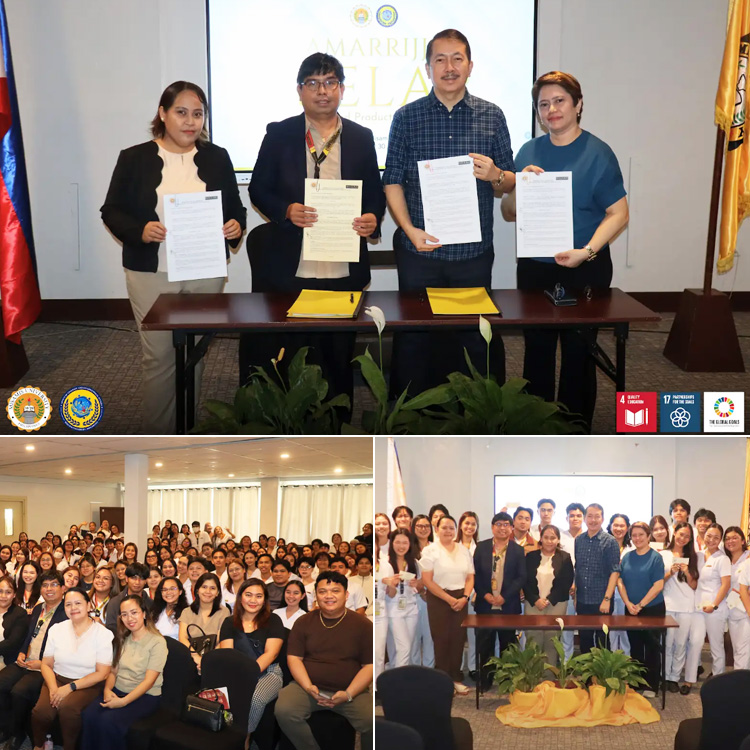
Misamis University, through the Office of Linkages and International Affairs and the College of Dentistry, strengthened its partnership with IRELAR Allied Ventures through the signing and implementation of a collaborative agreement that supports academic and industry engagement in dental education. The partnership provides opportunities for the University to connect its academic programs with industry professionals and expose students and faculty members to current products, practices and developments relevant to the dental profession.
As part of the partnership, Misamis University conducted the AMARRIJJE IRELAR Lecture and Product Presentation, an activity designed to strengthen the connection between academic learning and professional dental practice. The event provided participants with opportunities to gain knowledge about dental products, industry practices and their applications in the field of dentistry.
The activity aimed to enhance students' and faculty members' understanding of developments in dental procedural operations and authentic dental products. It also sought to provide students with industry based learning experiences and opportunities to interact directly with dental practitioners, allowing them to gain perspectives that complement their academic preparation.
The lecture and product presentation was held on August 14, 2026, at the University Function Hall of Misamis University. The activity was attended by faculty members and students of the College of Dentistry, providing participants with an opportunity to engage in discussions related to their field of study and future professional practice.